

The Idea
I was lying on my bed after school, staring at the ceiling and willing the phone to ring. Linger by the Cranberries was playing on the radio.
He hadn’t called. I’d tried him three times already. Why hadn’t he answered? Well, I should have been used to it by now. His distance had created an emptiness between us. And it was slowly tearing me apart.
The more I looked at the phone, the more it wound me up. Until I finally gave in and decided to dial straight into his voicemail to leave another message. A loophole in the 90s that let you send someone a message without the phone ever ringing.
It also played every message already in the inbox.
And there, just as I was about to plead for his attention again, was someone’s voice I didn’t recognise.
“I really enjoyed today”, she said.
Who is this?
“I’m glad we got some time on our own”, she continued.
Maybe she’s a friend, or a cousin I haven’t met yet?
“I know you said things are complicated at the moment.”
My hand tightened around my phone. Firmly stuck to my ear at this point.
“But I don’t care, I just want you to know that today made me really happy.”
Her voice was sweet and soft, the kind that told me her every word was sincere.
She paused.
“I really meant what I said before.”
Another pause.
“I love you so much. Call me when you get this”.
The message ended.
My phone stayed pressed to my ear. My chest tightened, and then came a sudden intense feeling in my stomach that made me feel sick.
Within thirty seconds, I’d become bound to his betrayal. My worth taken from me. My pride destroyed.
As a teenager, I thought maybe I’d got heartbreak out of the way early.
But throughout my life it would find me again, each time more devastating and cruel.
For a long time I sank into it, sure I didn’t deserve loyalty. Sure that betrayal was meant for me.
But what if it had been meant for me?
What if the pain was showing me something comfort never could?
If you've been here too, what's one word for how it felt? Leave it in the comments.
The Science
Painful events can shake the basic assumptions you use to make sense of life.
Researchers who study post-traumatic growth describe this as a kind of psychological earthquake. It’s often a seismic event that makes you question whether the people you love treat you well, that the world is fair, that you have some control over the things that happen to you, and that you’re worthy of loyalty.
This is why being cheated on is so much bigger than the act itself.
The same researchers built a test to measure this. They found that the more strongly an experience disrupts your beliefs, the more likely you are to report growth from it. Because when an old belief no longer holds true, your mind has to decide what’s going to replace it.
But that rebuilding can take a long time, especially after something painful happens - like being betrayed by a loved one.
The mind can go into something known as repetitive thinking. Researchers distinguish between two kinds of repetitive thinking, and they are worth knowing about:
The first is an intrusive thought, it’s the kind that arrives without you consciously thinking about it. You replay the scene, the words that were said, the moment you found out. And you keep asking yourself the same question - why did this happen to me?
The other is more deliberate. Instead of only replaying what happened, you begin trying to understand what it means. You start asking - what do I know about myself now that I didn’t know before?
In the study, the deliberate kind was more closely related to deeper change and growth. The intrusive kind went with distress.
So the moment I realised I was being cheated on, with the phone still pressed to my ear, was the very moment my beliefs broke. The years I spent after, convinced I deserved it, were intrusive thoughts that kept replaying the grief from it all.
And as much as I tried to rebuild my beliefs after, I never quite could. It was only when I started asking the second kind of question of what should I do differently now that I realised my foundations had changed.
Where It Shows Up
When you notice yourself carrying betrayal into your next relationship. You constantly check, doubt, and expect the same ending, and realise the past is still deciding how you see the present.
When you open their profile for the fourth time that evening. You look for something to comfort you, but it makes you feel worse and you replay the whole story again.
And when you play the same song on loop, because for a few minutes it makes the pain feel easier to understand.
The Subtextt
Beneath the feeling of a broken heart is the uncomfortable truth that suffering is life’s most useful teacher.
What happened to me completely broke the way I had understood people. I had believed that loving someone with devotion would be enough to earn their loyalty. And when it wasn’t, I took their choice as evidence about my own worth.
Suffering forces us to confront what comfort never can. That people are flawed. They have their own desires, their own fears and weaknesses, and sometimes their choices are confusing and hurt us deeply.
But betrayal can be useful. When we deliberately ask what it teaches us, each painful experience can sharpen our judgement, help us to accept people as they are, and reshape the story we tell ourselves about what life means.
That new wisdom gets us ready for what comes next.
Betrayal, therefore, is never completely the point. It gives the chance to become wiser than we were before it.
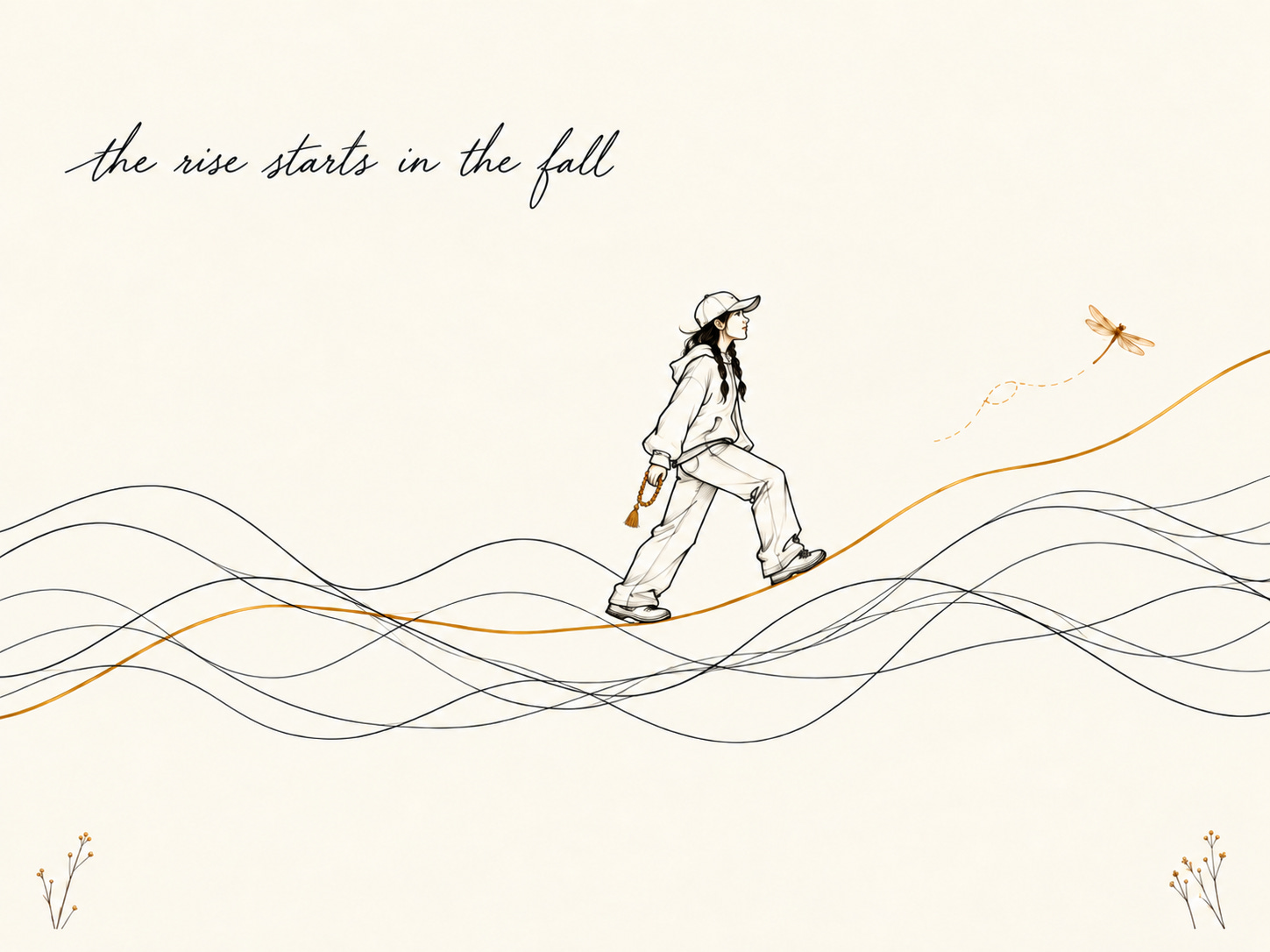
And that is where the rise begins.
If you've been here too, what's one word for how it felt? Leave it in the comments.